Baby Boy Digital Paper: A Versatile Resource for Creative Projects
Digital design resources have transformed how crafters, designers, and small business owners approach creative projects. Among the most popular categories is Baby Boy Digital Paper, a collection of high-resolution graphics designed specifically for themes involving infants, nurseries, and baby showers. These digital assets offer a flexible foundation for a wide array of applications, ranging from physical product creation to digital media design. Understanding the scope, utility, and limitations of these files helps creators determine if they align with their specific project requirements.
Understanding the Product Format and Quality
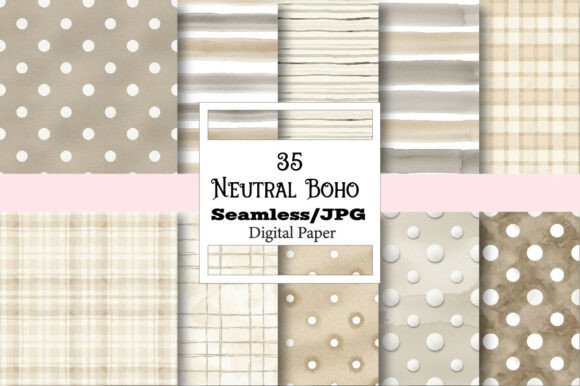
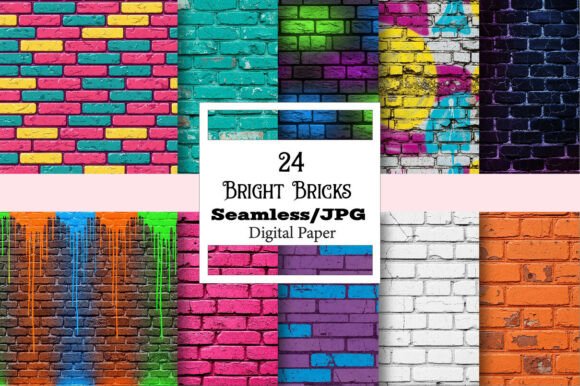
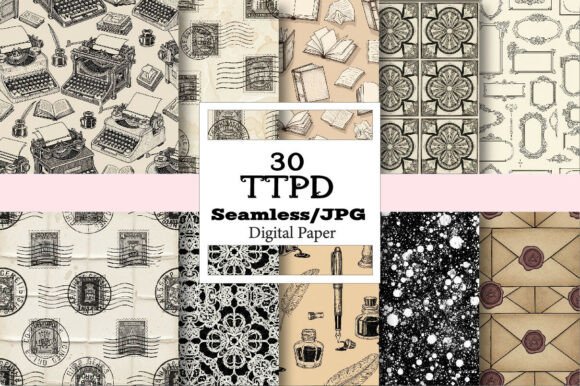
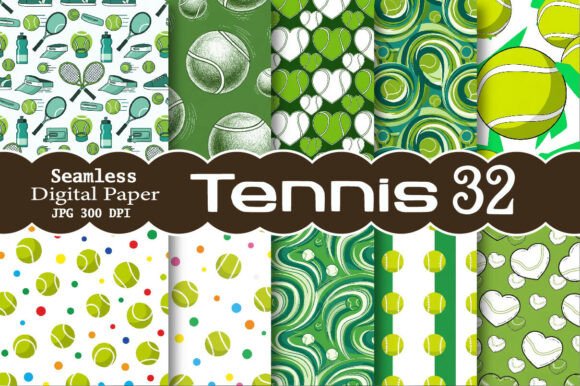
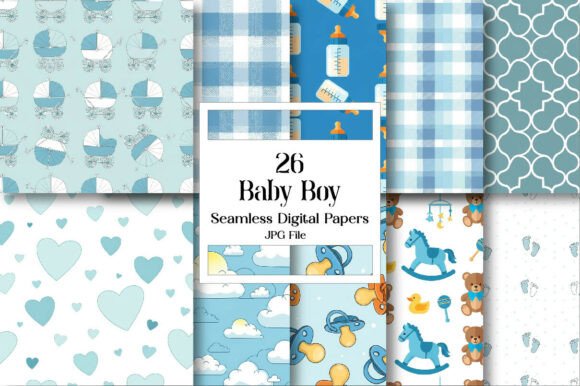
At its core, Baby Boy Digital Paper consists of seamless patterns and illustrations delivered in JPG format. The standard resolution for these files is 300 DPI (dots per inch), which is the industry benchmark for high-quality printing. This resolution ensures that when images are printed on physical materials, they remain sharp and free of pixelation. The seamless nature of many designs allows them to be tiled infinitely without visible breaks, making them ideal for wrapping large surfaces or creating continuous backgrounds.
It is important to note that these products are instant digital downloads. No physical items are shipped. Upon purchase, users receive access to the files, which can be resized to suit specific dimensions. This flexibility is a significant advantage, as it allows a single design to be adapted for everything from small sticker labels to large wall art posters. However, users must ensure they have the necessary software to handle image resizing and formatting for their intended output.
Key Applications and Use Cases
The versatility of Baby Boy Digital Paper makes it suitable for numerous creative endeavors. Below are some of the most common and effective uses for these graphics.
Sublimation and Product Customization
One of the primary drivers for purchasing digital paper packs is sublimation printing. This process involves transferring dye onto materials such as polyester fabrics, ceramics, and coated metals using heat. Baby Boy Digital Paper is frequently used for:
- Tumblers and Mugs: Creating custom wraps for drinkware requires high-resolution images that can stretch around curved surfaces without losing detail.
- Tote Bags and T-Shirts: Printable fabric options allow for the creation of personalized apparel and accessories, ideal for gifts or small business inventory.
- Personalized Pillows: Soft home decor items benefit from seamless patterns that cover the entire surface area evenly.
For sublimation to succeed, the source image must be high quality. The 300 DPI specification of these digital papers ensures that the final transferred image retains its clarity and color vibrancy.
Paper Crafts and Scrapbooking
Traditional paper crafting remains a robust market for digital papers. Crafters use these files to create physical elements for:
- Mini Junk Journals: These eclectic journals often require varied backgrounds and textures. Digital papers provide a cost-effective way to generate unique pages without buying multiple physical scrapbook pads.
- Scrapbook Decoupage: Layering digital prints onto cardstock allows for intricate designs in baby albums or memory books.
- Party Decorations: Custom napkins, plates, and banners can be printed at home or through professional services using these designs, offering a cohesive theme for baby showers and birthdays.
Digital Media and Branding
Beyond physical products, these graphics serve digital needs. Content creators and small business owners utilize Baby Boy Digital Paper for:
- Social Media Backgrounds: Trendy, aesthetically pleasing backdrops for Instagram stories, Pinterest pins, or TikTok videos.
- Website Graphics: Headers, footers, and background textures for niche websites focused on parenting, childcare, or baby products.
- Digital Presentations: Enhancing slideshows for educational purposes or family events.
Evaluating the Benefits
Choosing digital paper over physical alternatives offers several distinct advantages. First, cost-efficiency is a major factor. A single digital pack can yield hundreds of printed sheets, whereas buying individual sheets of themed scrapbook paper can become expensive quickly. Second, immediacy plays a crucial role. Since these are instant downloads, creators can begin working on their projects immediately, without waiting for shipping. This is particularly beneficial for last-minute gift ideas or urgent client deadlines.
Furthermore, customizability sets digital papers apart. Users can adjust colors, crop specific elements, or combine different patterns to create unique compositions. This level of control is not possible with pre-printed physical paper. For entrepreneurs selling on platforms like Etsy or Amazon KDP (Kindle Direct Publishing), this ability to create derivative works is essential for standing out in a crowded marketplace.
Considerations and Tradeoffs
While digital papers offer significant benefits, there are tradeoffs to consider. The primary challenge is the technical learning curve. Users need access to graphic design software, such as Adobe Photoshop, Illustrator, or free alternatives like Canva or GIMP, to manipulate the files effectively. Those unfamiliar with resizing, color profiles, or file formats may find the initial setup daunting.
Another consideration is printer quality. The final output is only as good as the printer used. Home printers may not reproduce colors as accurately as professional commercial printers, especially for vibrant sublimation projects. Users must invest time in test prints to ensure color fidelity. Additionally, while the files are high resolution, improper resizing can lead to distortion. It is crucial to maintain aspect ratios when scaling images for different products.
Licensing is also a critical factor. Most digital paper packs come with specific usage rights. While personal use is generally unrestricted, commercial use—such as selling physical items made with the designs—may require a commercial license. Users should always review the terms of service provided by the creator to avoid copyright infringement.
When to Choose Digital Paper vs. Alternatives
Determining whether Baby Boy Digital Paper is the right choice depends on your specific goals. It is a strong fit if:
- You plan to create multiple items with the same theme, maximizing the value of the download.
- You need specific dimensions that are not available in standard physical paper sizes.
- You are comfortable using basic graphic design tools.
- You require immediate access to materials for a time-sensitive project.
Conversely, physical scrapbook paper or pre-made templates may be better alternatives if:
- You lack access to design software or prefer a hands-off approach.
- You only need one or two items, making the cost of a full digital pack less economical.
- You do not have a reliable printer or sublimation equipment.
Practical Decision-Making Insights
To get the most out of Baby Boy Digital Paper, start by defining your end product. If you are making tumbler wraps, measure the exact dimensions of your tumbler and create a template in your design software before importing the digital paper. For junk journals, experiment with layering different patterns from the pack to create depth and visual interest. When using these graphics for social media, ensure you export the final images in RGB color mode for optimal screen display, whereas print projects should typically use CMYK or specific printer profiles.
Always keep the original files backed up. Since the download does not include watermarks, keeping a clean, unedited copy ensures you can return to the source material for future projects. Remember that while dimensions can be resized, enlarging an image beyond its original pixel dimensions can reduce quality. It is better to scale down than to scale up significantly.
Conclusion
Baby Boy Digital Paper represents a versatile and efficient resource for modern creators. Whether you are designing sublimation graphics for mugs, crafting personalized baby shower invitations, or developing digital content for social media, these high-resolution files provide a solid foundation. By understanding the technical requirements and leveraging the flexibility of digital formats, users can produce professional-quality results. Careful consideration of your tools, skills, and project scope will help you determine if this digital asset aligns with your creative objectives.