Elevate Spaces with Laser Cut Door Signs
Transforming a simple entryway into a statement of professional style begins with the right design assets, and nothing bridges the gap between functionality and modern aesthetics quite like a precision-crafted Office Door Sign Laser Cut File. For graphic designers and creative directors, the shift from flat digital mockups to tangible, three-dimensional environmental graphics represents an exciting frontier in branding. These files are not merely templates; they are the foundational blueprints for creating immersive physical experiences that communicate status, welcome guests, and reinforce brand identity without saying a word.
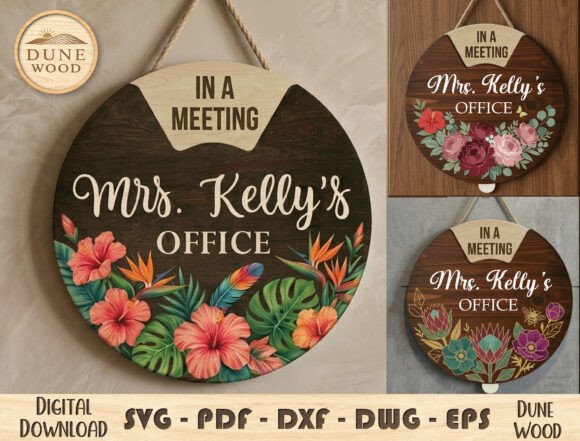
In the realm of visual design, the transition from screen to substrate requires a deep understanding of materiality and construction. A high-quality laser cut file offers more than just a shape; it provides a structured approach to layering, depth, and interaction. When you utilize a file designed with an "In a Meeting" slider detail, you are incorporating UX design principles into the physical world. This interactive element improves user experience by providing clear, non-verbal communication, reducing interruptions, and maintaining workflow efficiency. It is a prime example of how thoughtful design solves real-world problems while enhancing the visual hierarchy of a space.
The Role of Precision Files in Modern Branding
Brand identity extends far beyond a logo on a website or a business card. True brand consistency permeates every touchpoint, including the physical environment of an office, classroom, or home workspace. Using a professional Office Door Sign Laser Cut File allows creators to maintain strict control over typography, spacing, and composition, ensuring that the final product aligns perfectly with established brand guidelines. Whether the aesthetic is minimalist and corporate or warm and inviting for a teacher's door, the scalability of vector-based formats ensures crisp edges and perfect proportions regardless of the material size.
Designers often overlook the potential of environmental graphics in their overall strategy. However, integrating these elements can significantly boost perceived value. A layered wood sign, crafted from a clean DXF or SVG file, exudes a premium quality that flat plastic signs simply cannot match. This tactile richness contributes to a stronger emotional connection with the space, influencing how clients, students, or employees feel about the organization. It turns a functional necessity into a piece of art that reflects the care and attention to detail inherent in the brand's culture.
Versatile Applications Across Creative Industries
The utility of well-structured laser cut files reaches far beyond standard office doors. Their adaptability makes them invaluable assets for a wide range of creative projects and industries. By leveraging formats like AI, EPS, and PDF, designers can modify colors, textures, and dimensions to suit specific needs. Here is how these assets can be integrated into various design workflows:
- Corporate Branding: Create cohesive wayfinding systems that match lobby signage and reception desk aesthetics.
- Educational Environments: Design engaging classroom doors that foster a sense of community and organization for teachers.
- Interior Design: Use layered structures as decorative wall art or room dividers that double as functional indicators.
- Retail Packaging: Adapt the cutting techniques for unique box inserts or luxury product tags that require precision.
- Event Merchandise: Produce personalized badges, nameplates, or commemorative items for conferences and workshops.
- Digital Products: Offer these files as downloadable assets for makers and small business owners on creative marketplaces.
Selecting and Optimizing Design Assets
When evaluating a design file for production, several critical factors determine the success of the final output. First, consider the visual hierarchy. Does the text remain legible when cut from wood or acrylic? Are the stroke widths sufficient to prevent breakage during the weeding or assembly process? A professional file accounts for kerf—the width of material removed by the laser—ensuring that pieces fit together snugly without gaps.
Typography plays a pivotal role in these projects. Sans-serif fonts often translate better to laser cutting due to their clean lines and uniform stroke weights, but a well-kerned serif can add a touch of elegance if the material allows. Color palette selection is equally important, especially when planning for layered effects. Contrasting wood stains or painted layers can create depth, making the "slider" mechanism pop and drawing the eye immediately to the status indicator.
Furthermore, compatibility with hardware is essential. A truly versatile asset works seamlessly across different machines, from Glowforge to xTool and CNC routers. This flexibility ensures that whether you are a solo maker or running a large-scale fabrication shop, the design workflow remains smooth and uninterrupted. Clean paths, closed vectors, and organized layers within the source file save hours of preparation time, allowing you to focus on finishing techniques like sanding, staining, or sealing.
Ultimately, the integration of high-quality creative assets like an Office Door Sign Laser Cut File elevates the standard of physical design. It empowers creators to move beyond the screen and craft objects that possess both beauty and purpose. By prioritizing precision, usability, and aesthetic coherence, designers can produce environmental graphics that not only look stunning but also serve as effective tools for communication and brand reinforcement. In a world where first impressions matter, investing in superior design resources is the key to leaving a lasting impact.