Integrating Lighthouse Junk Journal Pages into Your Creative Workflow
In the landscape of modern digital crafting and small business operations, the efficiency of your asset library often dictates the quality of your output. Lighthouse Junk Journal Pages represent more than just a collection of maritime-themed graphics; they function as a versatile foundational layer for a wide spectrum of creative projects. For professionals ranging from scrapbookers to social media managers, understanding how to integrate these high-resolution JPG assets into an existing workflow is key to maximizing their value. This guide explores the practical application of this collection, moving beyond simple aesthetics to focus on process, compatibility, and strategic implementation.
Defining the Asset in a Production Context
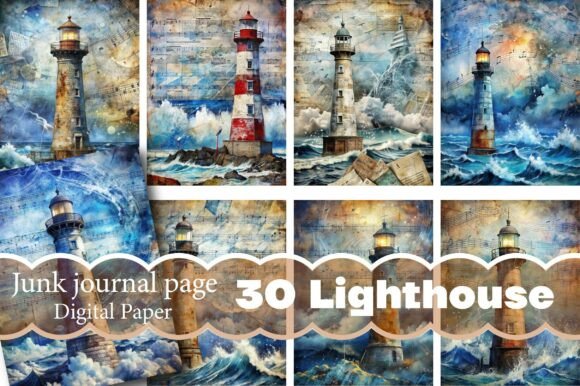
At its core, this collection offers a curated set of lighthouse imagery designed with the specific intent of infusing handmade charm into digital and physical mediums. The "junk journal" aesthetic implies a layered, textured look that mimics vintage ephemera, which is highly sought after in current design trends. However, for the working creator, the utility lies in the file format and resolution. Delivered in crisp, high-resolution JPGs, these images are immediately ready for sublimation, printing, or digital composition without the need for extensive upscaling or vectorization.
When evaluating where Lighthouse Junk Journal Pages fit into a broader process, consider them as a modular resource. They are not merely end-products but components that interact with other tools in your stack. Whether you are using design software like Adobe Photoshop or Canva, or physical tools for decoupage and collage, these assets serve as the visual anchor. Their maritime theme provides a cohesive narrative thread, allowing you to maintain brand consistency across different deliverables, from party invitations to website backgrounds.
Pre-Production: Planning and Compatibility
Effective use of any digital asset begins before the actual design work commences. The preparation phase involves assessing how these lighthouse graphics align with your project goals. If you are a small business owner planning a seasonal product launch, these pages can serve as the thematic backbone for your marketing materials. The versatility of the collection allows it to double as stylish stationery or a unique pattern for party napkins, meaning a single purchase can support multiple revenue streams or event needs.
Compatibility is a critical factor in this stage. Since the files are provided in JPG format, they are universally compatible with almost all image editing software, web platforms, and printing services. This reduces friction in the workflow, eliminating the need for format conversion that can sometimes degrade image quality. For those involved in sublimation projects, such as designing tumblers, mugs, or t-shirts, the high resolution ensures that the intricate details of the lighthouse illustrations remain sharp even when stretched over curved surfaces or enlarged for poster making.
Organization is another crucial element of pre-production. Upon acquiring the pack, it is advisable to categorize the images based on their potential application. You might create folders for "Backgrounds," "Foreground Elements," and "Full Page Designs." This systematic approach streamlines the retrieval process during high-pressure deadlines, ensuring that you can quickly locate the perfect graphic for a client's wedding invitation or a baby shower decoration without sifting through unrelated files.
Execution: Integrating Assets into Diverse Projects
Once the planning phase is complete, the execution stage is where Lighthouse Junk Journal Pages truly shine. The application possibilities are vast, spanning both digital and physical realms. For digital planners and journaling enthusiasts, these images can be imported directly into apps like GoodNotes or Notability. Here, they function as decorative covers or internal dividers, adding a chic touch to daily planning routines. The maritime magic of the lighthouse theme resonates well with users seeking a calming, structured aesthetic for their productivity tools.
In the realm of physical crafting, the workflow shifts slightly but remains equally efficient. For scrapbooking and sticker creation, the images can be printed on specialized cardstock or sticker paper. The texture inherent in the junk journal style adds depth to flat layouts, making them ideal for collage crafting. When creating wind spinner designs or 3D pieces, the durability of the print combined with the visual weight of the lighthouse imagery ensures the final product stands out. Crafters can layer these prints with other materials—such as ribbons, washi tape, or fabric—to create mixed-media art that feels bespoke and high-quality.
For entrepreneurs and marketers, the integration extends to branding and online presence. Using these graphics for website graphics or social media backgrounds provides an instant creative upgrade. A consistent visual language built around the lighthouse motif can help establish a recognizable brand identity. For instance, a coastal boutique could use these patterns for their packaging, bags, and even digital presentations, creating a seamless experience for the customer from the initial Instagram post to the unboxing of the product.
Specific Workflow Applications
- Greeting Cards and Invitations: Utilize the full-page designs as the base for folded cards. The high resolution ensures clean lines when cut, making them suitable for weddings, birthdays, and baby showers.
- Sublimation Products: Mirror the images if necessary and print onto sublimation paper. The detail in the lighthouse illustrations translates exceptionally well onto hard substrates like phone cases and ceramic mugs.
- Digital Paper Packs: Combine individual elements to create new seamless patterns. This allows for the creation of custom digital papers that can be sold or used in unlimited client projects.
- Book Covers and Bookmarks: Scale the images to fit standard book dimensions. The vintage aesthetic appeals to readers and authors looking for unique, non-generic cover art.
Quality Control and Long-Term Utility
Maintaining quality control throughout the production process is essential, especially when these assets are used for commercial purposes. Because Lighthouse Junk Journal Pages are delivered in high-resolution formats, the primary responsibility lies in ensuring that the printing settings match the intended output. For physical items like decals or posters, always perform a test print to verify color accuracy and sharpness. This step prevents waste and ensures that the final product meets professional standards.
The long-term utility of this collection is significant. Unlike trend-specific graphics that may become obsolete quickly, the lighthouse theme possesses a timeless quality. This makes the asset pack a sustainable investment for your creative toolkit. Over time, you can revisit these files for new projects, reimagining their usage for different contexts. A graphic used last year for a summer party invitation could be repurposed this year for a nautical-themed webinar background or a logo accent for a marine conservation nonprofit.
Furthermore, the adaptability of these pages supports scalability. As your business or hobby grows, the demand for varied content increases. Having a robust library of cohesive assets allows you to scale your output without sacrificing design integrity. Whether you are producing ten custom journals or a hundred sublimated tumblers, the consistency provided by this collection helps maintain a professional appearance across all units.
Strategic Observations for Creators
One of the most valuable aspects of integrating Lighthouse Junk Journal Pages into your routine is the reduction of decision fatigue. When starting a new project, the question of "what visual style should I use?" is already answered. This allows you to focus your cognitive energy on layout, typography, and messaging rather than searching for appropriate imagery. For freelancers and agencies managing multiple clients, this efficiency translates directly into billable hours saved.
Additionally, the emotional resonance of the maritime theme should not be underestimated. Lighthouses symbolize guidance, safety, and hope—themes that resonate deeply in personal projects like memory keeping or in corporate communications aiming to project stability. Leveraging this symbolic weight can enhance the impact of your work, making it more engaging for your audience.
In conclusion, the successful adoption of Lighthouse Junk Journal Pages relies on viewing them as dynamic tools within a structured workflow. From the initial organization of files to the final quality check of a sublimated mug or a digital planner cover, every step benefits from the versatility and quality of these assets. By understanding their compatibility, planning their application, and executing with attention to detail, creators and professionals can unlock the full potential of this maritime collection, elevating both their personal projects and business offerings.