Unlocking the Rustic Charm of Burlap Texture
There is a distinct, tactile quality to burlap texture that instantly grounds a design in reality. In an era where digital interfaces often feel sterile and overly polished, introducing the raw, woven character of burlap can breathe life into a project. This isn't just about adding a background; it's about infusing your work with a sense of history, authenticity, and organic warmth. Whether you are a seasoned graphic designer looking to elevate a brand identity or a small business owner creating packaging for handmade goods, understanding how to leverage this specific fabric aesthetic is a powerful tool in your creative arsenal.
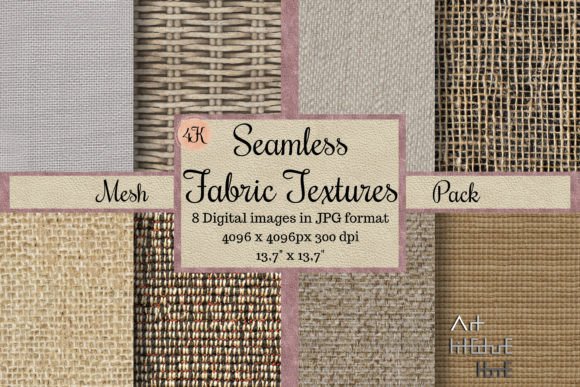
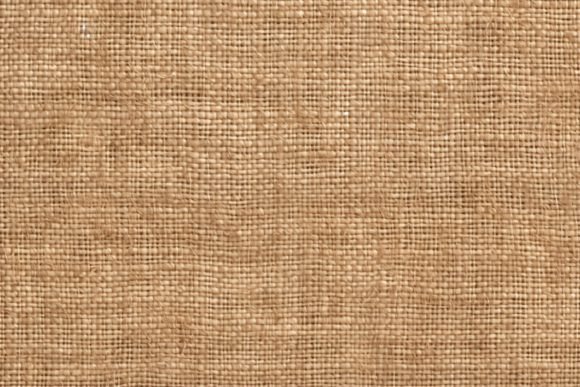
Visually, burlap is defined by its coarse, open weave. You can see the individual threads crossing over and under one another, creating a grid-like pattern that feels both structured and imperfect. The color palette naturally leans toward earthy tones—beiges, tans, light browns, and muted golds—though modern variations can be dyed to fit specific brand colors while retaining that signature roughness. This "personality" of the texture suggests durability, eco-friendliness, and a connection to nature. It speaks to the consumer before they even read a word of copy, signaling that the product or message behind it is genuine, unpretentious, and crafted with care.
Where Organic Meets Professional: Strategic Applications
The versatility of a high-resolution burlap texture background extends far beyond simple scrapbooking pages. For entrepreneurs and marketers, this asset serves as a foundational element for building a cohesive brand identity. Imagine a coffee shop launching a new line of artisanal beans. Using a burlap backdrop for their social media graphics immediately communicates "farm-to-table" and "organic" without needing explicit text. Similarly, in packaging design, this texture works wonders for products that want to distance themselves from mass-produced plastic aesthetics. It adds a layer of perceived value, suggesting that what's inside is premium and thoughtfully sourced.
In the realm of editorial design and publishing, burlap can act as a subtle divider or a chapter header background, providing a visual break that feels warm rather than jarring. For web designers, incorporating this texture into specific sections of a landing page—perhaps the "About Us" section of a craft brewery or a sustainable clothing brand—can create a memorable user experience. It breaks the monotony of flat colors and gradients. Furthermore, for content creators producing printable wallpapers or digital planners, the neutral yet textured nature of burlap provides an excellent canvas that doesn't overpower text or icons but adds enough depth to keep the viewer engaged.
Photographers and 3D artists also find immense value here. When creating mockups for clients, a realistic burlap backdrop can transform a standard product shot into a lifestyle image. It provides context. A ceramic mug placed against a plain white background looks like a catalog item; that same mug resting on a burlap surface looks like part of a cozy morning routine. For 3D modelers, using a 300 DPI scan of this fabric as a displacement map or diffuse texture adds necessary realism to virtual environments, ensuring that digital renderings hold up under scrutiny.
Enhancing Visual Hierarchy and Brand Perception
Integrating a fabric texture like burlap influences how an audience perceives information. It affects visual hierarchy by creating a natural contrast. Because the texture itself has a busy, woven pattern, it forces the designer to be intentional with typography. This often leads to cleaner, bolder type choices that stand out sharply against the grain. When done correctly, this interplay draws the eye directly to the most important elements of the design, such as a call-to-action button or a headline.
From a psychological standpoint, the use of natural textures fosters trust. In marketing, consistency is key. If a brand positions itself as eco-conscious or rustic-chic, using a burlap texture across all touchpoints—from business cards to website banners—reinforces that narrative. It creates a sensory consistency that audiences subconsciously recognize. This doesn't mean every pixel must be covered in weave; sometimes, a subtle overlay or a border accent is enough to trigger that association. The goal is professionalism through authenticity. A well-executed texture application signals that the creator pays attention to detail and cares about the tactile experience of the audience, even in a digital format.
Selecting and Pairing for Maximum Impact
Choosing the right file is the first step toward success. For professional results, always opt for high-resolution assets. A file size of 3000×2000 px at 300 DPI ensures that whether you are printing large format posters or designing crisp web graphics, the texture remains sharp and detailed. Blurry or pixelated textures can cheapen a design instantly, undermining the very authenticity you are trying to achieve. Ensure the file format is compatible with your workflow; JPG files are universally accepted and easy to manipulate in software like Photoshop, Illustrator, or Canva.
When it comes to font pairing, the roughness of burlap demands balance. You generally have two effective routes. First, pair it with clean, geometric sans serif fonts. The smoothness of the letters contrasts beautifully with the chaotic weave of the background, ensuring high readability. This combination feels modern and approachable. Second, consider elegant script fonts or handwritten styles. The fluidity of a script typeface mimics the organic nature of the fabric, creating a harmonious, romantic, or vintage feel perfect for wedding invitations or boutique branding. Avoid overly decorative or distressed fonts unless you are aiming for a specifically grunge aesthetic, as too much noise can make the text illegible against the textured background.
Practical testing is essential. Before finalizing a design, view it on multiple devices and, if possible, print a test copy. What looks clear on a retina display might get lost when printed on matte paper. Check your contrast ratios. If the burlap image is too dark in certain areas, consider adding a semi-transparent white or black overlay behind your text to boost legibility without completely hiding the texture. This technique maintains the visual interest of the background while prioritizing the user's ability to read your message.
- Fashion Projects: Use as a lining pattern for digital lookbooks or tags.
- Cards and Stationery: Perfect for rustic wedding invites, thank-you notes, and holiday cards.
- Wrapping Paper: Create custom, eco-friendly wrapping designs for retail or gifts.
- Printed Products: Ideal for tote bags, aprons, and home decor items where the print mimics the fabric.
- Social Media Graphics: Add depth to Instagram stories and Pinterest pins to stop the scroll.
- 3D Modeling: Apply as a texture map for realistic rendering of sacks, furniture, or interiors.
Ultimately, the burlap texture is more than just a visual element; it is a storytelling device. It allows designers and creators to tap into a collective appreciation for the handmade and the natural. By selecting high-quality files, understanding the psychological impact of the weave, and pairing it with thoughtful typography, you can create designs that resonate deeply with your audience. Whether you are building a logo design for a new startup or crafting a unique gift tag, this versatile background offers a timeless appeal that transcends fleeting design trends. Embrace the imperfections, let the threads tell their story, and watch how this simple shift in texture can transform the entire perception of your creative work.