Bringing 19th-Century Craftsmanship to Modern Design with Dylan
There is a specific kind of authority that comes from old-world craftsmanship. When you walk into a barbershop that has been around for fifty years, or pick up a bottle of whiskey with a label that looks like it was printed on a press in 1890, you instinctively trust the quality. That feeling isn't an accident; it is the result of deliberate design choices that signal heritage, durability, and prestige. For modern creators trying to evoke that same sense of timelessness, finding the right typography is often the biggest hurdle. This is where Dylan steps in as more than just a font; it is a digital tool for recreating the texture and depth of classic engraving.
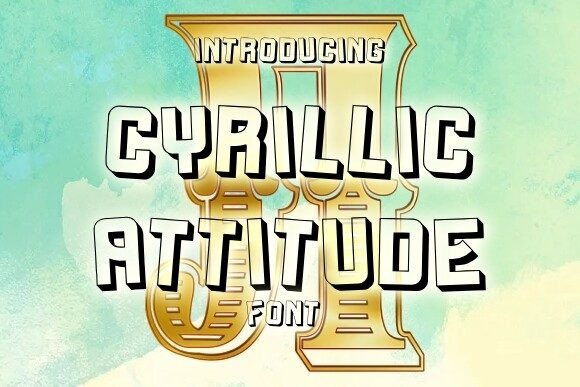
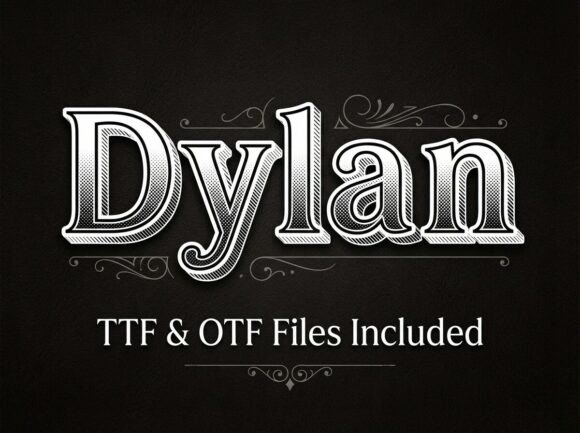
Dylan is a vintage engraved display font designed to mimic the intricate layering found in 19th-century print work. Unlike standard flat typefaces, it features a sophisticated 3D "layered" effect complete with halftone shading and a crisp white outline. These aren't just decorative flourishes; they are functional design elements that allow text to pop against complex backgrounds without needing heavy post-processing in Photoshop. Whether you are a small business owner launching a new product line or a freelance designer working on a heritage-inspired poster, understanding how to leverage this specific aesthetic can transform a good project into a memorable brand identity.
Why Vintage Engraving Styles Still Matter Today
In an era dominated by minimalist sans-serif fonts and flat UI design, there is a growing counter-movement toward maximalism and texture. Consumers, particularly those in the 20-to-50 age range who appreciate authenticity, are drawn to brands that feel "real." A logo that looks like it was hand-carved or engraved suggests that the product behind it was made with equal care. Dylan captures this essence by utilizing robust serif structures and ornamental flair that turn simple words into hand-crafted masterpieces.
The practical value here lies in the immediate recognition factor. When a potential customer sees a label or a header using this style, their brain automatically categorizes the brand as premium, traditional, or artisanal. You don't need to write a mission statement about quality; the font does the heavy lifting for you. The halftone shading included in the character set provides depth that usually requires multiple layers of vector work to achieve manually. By using a pre-designed solution like Dylan, you save hours of illustration time while achieving a result that looks professionally typeset by a master printer from a century ago.
Real-World Applications for Entrepreneurs and Creators
The versatility of an engraved display font extends far beyond just making things look "old." It is about context. Different industries can use Dylan to solve specific branding challenges where modern fonts fail to convey the right message.
- Premium Beverage Labeling: If you are launching a craft gin, a small-batch bourbon, or even a specialty coffee blend, the packaging is your primary salesperson. Flat text often gets lost on textured paper or dark glass. The white outline and layered shadow of Dylan ensure legibility while communicating luxury. Imagine a dark amber bottle with a cream label; the engraving style creates a tactile illusion that makes the consumer want to pick it up.
- Barbershop and Grooming Branding: The modern barbershop revival relies heavily on the aesthetic of the gentleman's club of the past. From storefront signage to appointment cards, using a typeface that mirrors ironwork and woodcarving reinforces the idea of traditional service. It tells the client that this isn't just a haircut; it's a ritual.
- Hospitality and Event Design: For wedding invitations, upscale restaurant menus, or hotel lobby signage, the goal is often to create an atmosphere of elegance. Dylan's ornamental details work exceptionally well for monograms or section headers. Because the font carries so much visual weight, it often requires very little additional graphic decoration, keeping the design clean yet rich.
- Apparel and Merchandise: Streetwear brands often dip into vintage aesthetics to create limited-edition drops. An engraved font printed on a t-shirt or embroidered on a cap adds a layer of perceived value. It moves the item from being a basic garment to a collectible piece of art.
Technical Considerations for Digital and Print Use
While the aesthetic appeal of Dylan is obvious, practical implementation requires some forethought. Because this is a display font with high detail, it behaves differently than your standard body copy fonts. The halftone shading and fine lines that give it character can disappear if scaled down too small. If you try to use it for paragraph text on a website or fine print on a contract, the intricate details will blur, especially on lower-resolution screens or cheap newsprint.
For digital marketers and bloggers, this means reserving Dylan strictly for headlines, hero images, and call-to-action buttons where the size is large enough to let the engraving details breathe. On social media graphics, such as Instagram stories or Pinterest pins, the crisp white outline becomes a crucial feature. It allows your text to remain readable even when placed over busy photography, eliminating the need for drop shadows or solid background boxes that can clutter a design.
When preparing files for print, consider the medium. The 3D effect works best on materials that can hold fine detail, such as coated stock, vinyl, or high-quality cotton paper. If you are screen printing on rough textiles, you may need to adjust the stroke width slightly to prevent the fine halftone dots from filling in during the pressing process. Understanding these limitations ensures that the final output matches the vision you had when you selected the typeface.
Making the Right Choice for Your Project
Before downloading or purchasing a specialized font like Dylan, ask yourself what story you are trying to tell. If your brand identity is built on innovation, futurism, or ultra-modern efficiency, this style might create a confusing disconnect for your audience. However, if your value proposition rests on tradition, reliability, craft, or heritage, this font is a strategic asset.
It is also worth considering how Dylan pairs with other elements in your design toolkit. Because it is so ornate, it pairs beautifully with simple, clean sans-serif fonts for body text. This contrast creates a hierarchy that guides the reader's eye: the headline grabs attention with its historical gravitas, and the body copy delivers information with modern clarity. Trying to pair it with another highly decorative script or serif font can result in visual noise that overwhelms the viewer.
Ultimately, tools like Dylan are about bridging the gap between the digital workspace and the physical history of design. They allow a freelancer working on a laptop in a coffee shop to produce work that feels like it belongs in a museum archive. By choosing a typeface that embodies the era of master craftsmanship, you aren't just picking letters; you are adopting a standard of quality that resonates with people on a deep, almost subconscious level. Whether you are labeling a jar of homemade jam or designing a national ad campaign, the right vintage touch can be the difference between being seen and being remembered.