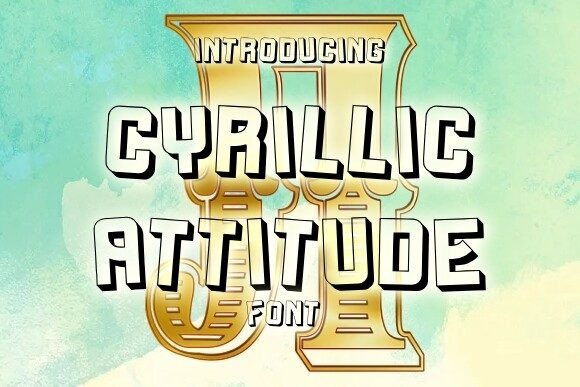
Cyrillic Attitude: Evaluating a Bold 3D Font for Design Projects
In the landscape of modern graphic design, typography serves as more than just a vessel for text; it is a primary visual element that sets the tone, mood, and hierarchy of a composition. For designers working with Cyrillic scripts or seeking a distinct aesthetic for international projects, Cyrillic Attitude has emerged as a notable option. This typeface is characterized by its robust three-dimensional structure and an assertive personality that commands attention. When evaluating whether this font aligns with a specific project goal, it is essential to look beyond its immediate visual impact and consider its practical applications, technical limitations, and how it compares to other display options in a designer's toolkit.
Understanding the Aesthetic of Cyrillic Attitude
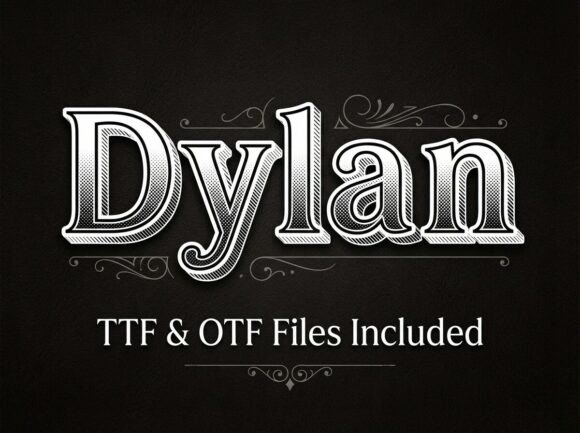
Cyrillic Attitude is fundamentally a display font designed to stand out. Unlike body text fonts optimized for long-form readability, this typeface prioritizes shape, volume, and stylistic flair. Its defining feature is the integrated 3D effect, which gives the letters a sense of depth and solidity without requiring the designer to manually create extrusions or shadows in software like Adobe Illustrator or Photoshop. The "attitude" in its name refers to its bold, somewhat aggressive, and confident stance. The letterforms are thick, with sharp angles and a geometric foundation that suggests strength and modernity.
The inclusion of full Cyrillic support makes this font particularly valuable for projects targeting Eastern European markets, Russian-speaking audiences, or designs that wish to incorporate Slavic cultural motifs without resorting to clichéd or outdated styles. While many 3D fonts struggle to maintain legibility when adapted for non-Latin alphabets, Cyrillic Attitude attempts to preserve the structural integrity and visual weight across both character sets. This consistency is crucial for bilingual branding or posters where the message must be conveyed equally effectively in multiple languages.
Ideal Use Cases and Applications
Given its heavy weight and dimensional nature, Cyrillic Attitude is best suited for short bursts of text where maximum impact is required. It excels in environments where the typography acts as the main illustration. Common applications include:
- Posters and Event Flyers: The font's ability to fill space makes it ideal for concert posters, club events, or street art-style announcements where the title needs to be read from a distance.
- Apparel Design: On t-shirts and hoodies, 3D fonts often translate well to screen printing and embroidery. The solid shapes of Cyrillic Attitude provide a strong graphic element that holds up on fabric.
- Social Media Graphics: In a feed dominated by scrolling, a bold, three-dimensional headline can stop the eye more effectively than flat, thin typography.
- Gaming and Esports Branding: The aggressive and energetic vibe of the font aligns well with the high-energy aesthetics common in gaming logos and tournament overlays.
When used in these contexts, the font reduces the need for additional decorative elements. The type itself becomes the decoration, allowing for cleaner layouts where the background and imagery do not have to compete with complex typographic treatments.
Benefits and Design Advantages
One of the primary benefits of selecting Cyrillic Attitude is efficiency. Creating a convincing 3D text effect from scratch can be time-consuming, requiring careful manipulation of lighting, perspective, and extrusion depth. By using a font with these features built-in, designers can achieve a polished, professional look instantly. This allows for rapid prototyping and faster turnaround times on projects with tight deadlines.
Furthermore, the font offers a specific stylistic niche. Many 3D fonts lean towards a retro, bubble-gum pop style or a hyper-realistic metallic look. Cyrillic Attitude sits somewhere in between, offering a stylized, almost illustrative 3D form that feels contemporary yet rooted in classic bold typography. For brands looking to project confidence, youthfulness, and energy, this specific aesthetic can be a powerful differentiator. The seamless integration of Cyrillic characters ensures that the design does not lose its coherence when switching languages, a frequent pain point in global design projects.
Tradeoffs and Limitations to Consider
While the visual appeal of Cyrillic Attitude is evident, it is not a universal solution for all typography needs. The most significant tradeoff is readability. Due to the complexity of the 3D forms and the heavy stroke weight, this font is unsuitable for body copy, captions, or any text block exceeding a few words. At smaller sizes, the details of the 3D extrusion can blur, making the text difficult to decipher, especially on low-resolution screens or poor-quality prints.
Another consideration is versatility. The strong personality of the font means it can easily overpower other design elements. If a project requires a subtle, elegant, or corporate tone, Cyrillic Attitude may feel too loud or informal. It demands a layout that can accommodate its bulk; cramming it into a design with limited white space can result in a cluttered and overwhelming composition. Additionally, because the 3D effect is baked into the glyph shapes, changing the color of the "face" versus the "side" of the 3D effect can sometimes be more challenging than with flat fonts, depending on the software and file format used.
Comparing Alternatives and Making a Decision
When deciding whether Cyrillic Attitude is the right choice, designers should compare it against two main alternatives: flat bold sans-serifs and customizable 3D effects. If the project requires absolute clarity and neutrality, a standard bold sans-serif with a separate drop shadow might offer more control over the final look. If the project demands a highly specific lighting scenario or texture (like gold leaf or chrome) that changes dynamically, generating 3D text procedurally in design software might be superior to a static font file.
However, if the goal is to achieve a consistent, stylized 3D look quickly across both Latin and Cyrillic scripts, Cyrillic Attitude offers a compelling balance. It is a strong fit when the design brief calls for something "stunning" and impactful without the budget or time for custom lettering. It works best when the designer intends for the text to be the hero of the visual hierarchy.
Ultimately, the decision to use Cyrillic Attitude should depend on the specific communication goals of the project. For posters, flyers, and t-shirts where the objective is to grab attention immediately and convey a sense of bold energy, it is an excellent tool. For projects requiring nuance, long-form reading, or corporate restraint, alternative typefaces should be explored. By understanding both its striking capabilities and its inherent limitations, designers can deploy this font strategically to enhance their visual storytelling rather than letting the style dictate the substance of the design.