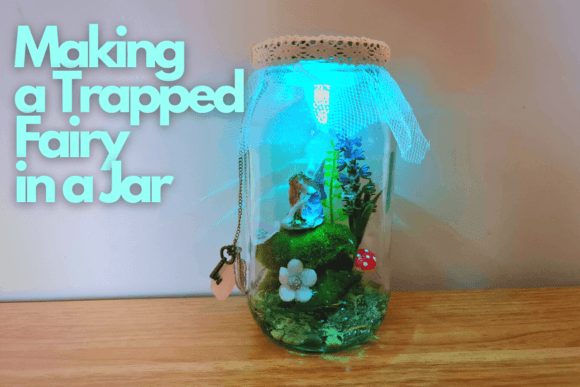
Capturing Magic: The Art and Business of Making a Trapped Fairy in a Jar
In an era dominated by digital screens and rapid technological shifts, there is a profound, growing desire to reconnect with the tangible. People are increasingly seeking hobbies that offer a respite from the virtual world, favoring hands-on creativity that yields physical, lasting results. This cultural pivot has breathed new life into the craft of miniature world-building, specifically the enchanting practice of Making a Trapped Fairy in a Jar. Far more than a simple DIY project, this art form represents a convergence of storytelling, interior design, and mindful creation. It invites adults to step away from their keyboards and immerse themselves in a whimsical reality where moss balls form lush forests, tiny flowers bloom eternally, and clear streams reveal polished stones beneath a glass surface.
The relevance of this craft extends beyond personal hobbyism. For entrepreneurs, marketers, and content creators, understanding the appeal of such projects is vital. The modern consumer values uniqueness and authenticity. A mass-produced plastic figurine no longer satisfies the desire for home decor; instead, individuals seek pieces that carry a narrative and a human touch. Learning how to create a trapped fairy within a jar allows creators to produce one-of-a-kind items that serve as whimsy decor, heartfelt gifts, or viable products for sale. As we explore the techniques involved, from foundation building to lighting effects, we uncover not just a method of crafting, but a pathway to tapping into current market preferences for bespoke, handcrafted goods.
The Evolution of Miniature Worlds and Modern Craft Trends
The concept of enclosing nature within glass is not entirely new, yet its execution has evolved significantly to match contemporary aesthetics and safety standards. Historically, terrariums and dioramas were often static displays. Today, the trend leans heavily toward dynamic, illuminated scenes that evoke a sense of wonder and magic. This shift mirrors broader lifestyle changes where homes are viewed as sanctuaries for mental well-being. Creating a miniature world in a jar is an act of mindfulness; it requires focus, patience, and an eye for detail, offering a therapeutic counterbalance to the fragmented attention spans fostered by modern workflows.
Furthermore, the rise of the "maker economy" has empowered individuals to turn these creative practices into business ventures. Bloggers and educators are finding success by teaching others how to replicate these magical scenes. The demand for tutorials that demystify complex effects—such as realistic water without the use of hazardous chemicals—is skyrocketing. In this context, Liyana's approach stands out. By sharing a personal trick to create realistic water effects without using resin, she addresses a critical pain point for many creators: the need for safer, cheaper, and more accessible alternatives. Resin, while popular, can be toxic, expensive, and difficult to work with for beginners. Offering a non-toxic solution democratizes the craft, allowing a wider audience of professionals and hobbyists to participate safely.
Constructing the Foundation: Moss, Flowers, and Terrain
The journey of Making a Trapped Fairy in a Jar begins with the landscape. A convincing miniature world relies on a solid foundation that mimics the organic irregularity of nature. The process starts with selecting the right vessel—a clear jar that acts as both a container and a lens through which the viewer observes the magic. Once the canvas is chosen, the artist builds the terrain using moss balls and preserved flowers. These elements provide texture and color, transforming the bottom of the jar into a lush forest floor or a mystical meadow.
Strategic placement is key. Unlike gardening, where plants grow and change, miniature crafting requires foresight. One must arrange the moss to create depth, ensuring that the "trapped fairy" has a believable environment to inhabit. The use of varied textures—from soft, velvety moss to delicate flower petals—adds visual interest that draws the eye inward. This stage is crucial for those looking to sell their creations, as the quality of the foundation determines the perceived value of the final piece. A well-constructed base suggests permanence and care, qualities that resonate with buyers seeking high-end whimsy decor.
Engineering Realistic Water Effects Without Resin
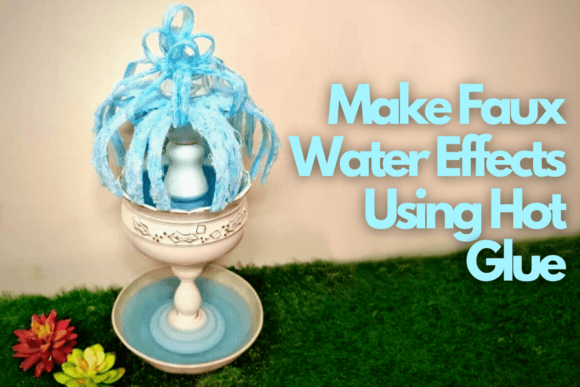
Perhaps the most challenging aspect of creating a miniature scene is replicating water. Traditionally, artisans have relied on epoxy resin to achieve a glass-like finish that simulates a stream or pond. However, resin comes with significant drawbacks, including high costs, long curing times, and potential health risks due to fumes. This is where innovation meets practicality. Liyana's personal trick for creating a beautiful clear stream that reveals little rocks at the bottom of your jar offers a groundbreaking alternative.
By utilizing a safer, cheaper medium, creators can achieve the same optical clarity and depth without the hazards associated with chemical resins. This technique involves layering materials to create refraction and transparency, allowing light to pass through and illuminate the hidden treasures—like polished pebbles—beneath the surface. For educators and workshop leaders, mastering this technique is a game-changer. It lowers the barrier to entry for students and reduces overhead costs for businesses. Moreover, it aligns with the growing consumer preference for eco-friendly and non-toxic products, making the final item more appealing to health-conscious families and pet owners.
Enhancing the Atmosphere: Decoration and Lighting
A miniature world is not complete without the interplay of light and external embellishments. The atmosphere of a trapped fairy scene is defined by how it glows in the dark. Adding special lighting effects transforms a static display into a living, breathing entity. Soft, warm LEDs can be woven into the moss or hidden beneath the water layer to simulate bioluminescence or moonlight reflecting off a stream. This attention to detail elevates the project from a simple craft to a piece of functional art.
Beyond the interior, decorating the outside of the jar adds another layer of customization. Ribbons, charms, or hand-painted details on the glass can frame the scene, giving it a finished, professional look. For those intending to gift these items, the exterior decoration offers an opportunity to personalize the piece for the recipient. For sellers, unique exterior finishes can help differentiate products in a crowded marketplace. The combination of internal lighting and external adornment ensures that the jar captures attention whether it is sitting on a shelf in daylight or glowing softly on a nightstand.
Practical Implications for Creators and Entrepreneurs
The skills learned in Making a Trapped Fairy in a Jar have far-reaching implications for various professional paths. For freelancers and small business owners, this craft represents a low-overhead, high-margin product line. The materials—moss, jars, stones, and lighting components—are relatively inexpensive, yet the finished product commands a premium price due to its artistic value and labor intensity. Marketers can leverage the visual appeal of these glowing jars for social media campaigns, as they are inherently photogenic and shareable.
Educators and bloggers can build entire content strategies around teaching these techniques. By focusing on the unique aspects of the course, such as the non-resin water effect, they can attract audiences who have been intimidated by traditional methods. The ability to teach a safe, accessible version of this craft opens doors to workshops in schools, community centers, and corporate team-building events, where safety and ease of use are paramount.
- Versatility: These jars can be adapted for holidays, weddings, or nursery decor, expanding the target market.
- Sustainability: Using preserved materials and non-toxic alternatives appeals to eco-conscious consumers.
- Scalability: The process can be streamlined for small-batch production without losing the handmade charm.
Ultimately, the trend of creating trapped fairy jars is a testament to the enduring human love for stories and beauty. It bridges the gap between imagination and reality, allowing us to hold a piece of magic in our hands. Whether pursued as a relaxing weekend hobby, a thoughtful gift, or a burgeoning business, the art of building these miniature worlds offers endless possibilities. As technology continues to advance, the value of such tactile, soulful creations will only increase, reminding us that sometimes, the most powerful innovations are those that help us slow down and marvel at the small, wonderful things we can create ourselves.