Forest Deer Layered Wood Art: Crafting Serenity Through Depth and Shadow
In the evolving world of home decor and DIY craftsmanship, few trends have captured the imagination quite like layered wood art. This technique transforms flat materials into immersive, three-dimensional scenes that play with light, shadow, and perspective. At the heart of this movement is the Forest Deer Layered Wood Art design, a captivating representation of nature’s quiet majesty. Whether you are a seasoned woodworker, a laser cutting enthusiast, or a hobbyist looking to add a personal touch to your living space, understanding the nuances of this artistic medium can unlock new creative possibilities.
The Allure of Dimensional Storytelling
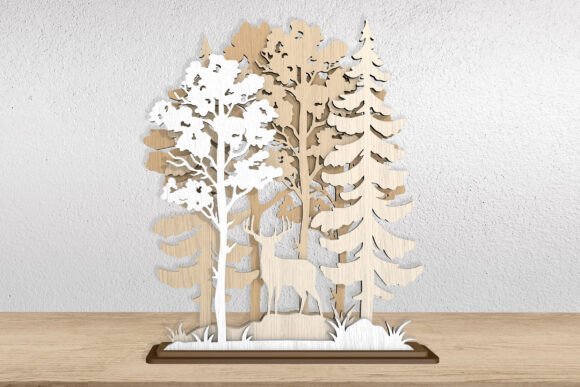
Traditional wall art often relies on color and composition to convey emotion. However, layered wood art introduces a tactile element that changes depending on the viewer’s angle and the ambient lighting of the room. The Forest Deer Layered Wood Art concept specifically leverages this depth to create a narrative. It is not merely a picture of a deer; it is a window into a serene woodland moment.
The design typically features silhouettes of majestic deer partially obscured by layers of trees and foliage. This "hiding" effect mimics the experience of spotting wildlife in the real world—a fleeting, peaceful glimpse that requires patience and observation. By stacking these elements, the artwork gains a sense of atmosphere. The foreground frames the scene, the mid-ground provides context, and the background offers depth, resulting in a stunning 3D shadow box effect that feels alive.
Material Versatility and Technical Specifications
One of the most significant advantages of modern layered vector designs is their adaptability. The Forest Deer Layered Wood Art file is engineered to work with a variety of materials, allowing creators to customize the final aesthetic to match their interior design preferences. While wood is the traditional choice, the potential extends far beyond timber.
- Wood: Natural woods like birch, maple, or walnut offer warmth and organic texture. Staining different layers can enhance the contrast between the deer and the forest.
- MDF (Medium-Density Fiberboard): Ideal for painting, MDF provides a smooth, uniform surface that takes acrylics and sprays evenly, perfect for monochromatic or highly colorful interpretations.
- Acrylic: For a modern, sleek look, acrylic layers can create a glass-like depth. Translucent colors can interact with backlighting for a glowing effect.
- Cardstock or Heavy Paper: For those without access to laser cutters, these designs can sometimes be adapted for precise paper crafting, offering a low-cost entry point.
The design is optimized for materials approximately 3mm thick. This thickness is crucial; it provides enough depth to cast distinct shadows without making the final piece overly bulky or heavy. The standard size for this particular project is 10 inches, making it a versatile accent piece that fits comfortably on mantels, shelves, or desks without overwhelming the space.
Accessibility for Creators of All Skill Levels
A common misconception about layered art is that it requires advanced carpentry skills. In reality, the Forest Deer Layered Wood Art project is designed for accessibility. The primary barrier to entry—complex design and measurement—is removed through the use of pre-made digital files.
The package includes files in multiple formats: SVG, DXF, AI, EPS, PDF, and DWG. This comprehensive compatibility ensures that whether you use a Glowforge, xTool, Cricut, Silhouette, or a professional industrial laser cutter, you can import the design seamlessly. The vectors are clean and closed, minimizing the need for post-processing editing.
Simplified Assembly Process
The construction process is straightforward, focusing on enjoyment rather than frustration. The layers are designed for easy stacking and gluing. Typically, the process involves:
- Cutting: Load your chosen material into your cutter and run the job. The 3mm thickness cuts quickly on most machines.
- Sorting: Organize the pieces by layer. The files are usually numbered or structured logically to help identify the order.
- Gluing: Apply a thin line of wood glue or craft adhesive to the back of each layer. Align carefully with the layer beneath it. Spacers can be used if you want uniform gaps, though direct stacking is often sufficient for this scale.
- Finishing: Attach the included base. This base is not just structural; it allows the piece to stand freely, transforming it from a wall hanging into a tabletop sculpture.
Practical Applications and Decor Integration
Where does a 10-inch layered wood piece fit best? Its compact size makes it incredibly versatile. For homeowners, it serves as an elegant mantel piece, adding texture to a minimalist shelf or acting as a focal point in a reading nook. The serene woodland theme complements rustic, farmhouse, Scandinavian, and even modern industrial interiors.
For business owners, particularly those in hospitality or wellness sectors, this art form can enhance customer experience. Imagine a Forest Deer Layered Wood Art piece displayed in a cozy coffee shop, a yoga studio reception, or a boutique hotel lobby. It conveys a message of calm and attention to detail, subtly influencing the mood of the space.
Gift-givers will also find immense value here. Handmade gifts carry emotional weight, and a layered wood piece demonstrates effort and thoughtfulness. It is suitable for housewarmings, birthdays, or holidays, appealing to anyone who appreciates nature-inspired decor.
Evaluating Suitability: Is This Project for You?
While the Forest Deer Layered Wood Art is user-friendly, it is essential to assess whether it aligns with your current resources and goals.
Consider this project if:
- You have access to a laser cutter or CNC machine, or know someone who does.
- You enjoy meditative, step-by-step assembly processes.
- You are looking for a high-impact decor item with a relatively low material cost.
- You appreciate the aesthetic of natural materials and shadow play.
You might want to reconsider if:
- You do not have access to cutting tools and are unwilling to outsource the cutting phase.
- You prefer large-scale statement pieces (though multiple units can be grouped).
- You are looking for a project that involves complex joinery or traditional woodworking tools like chisels and saws.
Maximizing the Visual Impact
To truly bring the serenity of the woods into your craft projects, consider the finishing touches. Lighting plays a pivotal role in layered art. Placing the piece near a natural light source can cause the shadows to shift throughout the day, creating a dynamic visual experience. Alternatively, adding a small LED strip behind the back layer can illuminate the silhouette of the deer, creating a dramatic backlight effect that highlights the intricate details of the trees.
Color choices also dictate the mood. A natural wood finish emphasizes warmth and tradition. A white-on-white approach creates a subtle, sophisticated look where the shadows do the heavy lifting. Dark stains or black acrylics can produce a striking, high-contrast silhouette that feels modern and bold.
Conclusion
The Forest Deer Layered Wood Art is more than just a digital file; it is an invitation to slow down and engage with the creative process. It bridges the gap between technology and tradition, using modern laser-cutting precision to evoke the timeless beauty of nature. Whether you are creating for your own home, building a product line for your business, or seeking a meaningful gift, this layered design offers a perfect blend of simplicity and elegance.
By choosing a design that prioritizes ease of assembly and visual depth, you ensure a satisfying crafting experience and a beautiful final result. Bring the tranquility of the forest indoors, one layer at a time, and discover how shadow and wood can transform a simple corner of your world into a sanctuary of calm.